
Long Island's premises liability defense involves complex legal challenges shaped by regional precedents and local interpretations. Key players include the Court of Law, legal aid societies, bar associations, and specialized defense groups like NARD. Effective strategies require proactive risk management, detailed maintenance records, timely responses to hazards, and consultation with licensed negligence experts. Future trends focus on advanced safety technologies, affordable legal advice, and certified property maintenance specialists. Strong defenses rely on thorough investigations, strategic argumentation, and adherence to local precedents, ensuring favorable outcomes in this dynamic legal landscape.
Premises liability defense Long Island is a critical area of legal practice, as businesses and property owners must navigate complex regulations to protect themselves from potential lawsuits. The rise in such claims underscores the need for a thorough understanding of this legal landscape. This article offers a comprehensive comparative analysis of defense strategies employed in Long Island courts, focusing on regional precedents and key resources like the Long Island Court of Law and New York State Department of Legal Aid. By examining successful approaches, practitioners can enhance their defenses and better serve clients faced with premises liability issues.
- Understanding Premises Liability Laws in Long Island
- Key Legal Entities and Their Roles in Defense
- Strategies for Addressing Common Liability Claims
- The Holocaust and Its Impact on Legal Precedents
- Case Studies: Successes and Lessons Learned
- Future Trends in Premises Defense on Long Island
Understanding Premises Liability Laws in Long Island

Long Island’s legal landscape presents unique challenges for property owners and landlords when it comes to premises liability defense long island. The Long Island Court of Law plays a pivotal role in shaping these defenses through regional precedents and interpretations of laws, making it crucial for practitioners to stay updated on these developments. Understanding the nuances of premises liability is essential for landlords seeking cost-effective legal solutions, as it involves navigating complex issues surrounding unsafe conditions on their properties. For instance, cases involving slip and fall accidents or injuries related to faulty maintenance can significantly impact a landlord’s liability.
The New York State Department of Legal Aid offers invaluable resources for individuals entangled in such legal matters, providing guidance and support tailored to Long Island’s specific premises liability defense long island requirements. Certified property maintenance lawyers, with their specialized knowledge, are increasingly sought after to mitigate risks and defend against claims. These experts help landlords ensure compliance with local laws and regulations, a strategic move to avoid costly litigation. For example, proper documentation of routine maintenance checks and timely repairs can serve as robust defenses in court.
Given the intricate nature of premises liability cases, it is vital to engage Long Island’s most reliable defense counsel. Their in-depth understanding of both state laws and local legal interpretations empowers them to craft effective strategies. Landlords should actively seek out attorneys with a proven track record in successfully defending against such claims, ensuring they receive competent and aggressive representation. By combining practical insights from legal aid societies and the expertise of certified property maintenance lawyers, landlords can navigate this complex area of law, ultimately achieving favorable outcomes in premises liability defense long island.
Key Legal Entities and Their Roles in Defense

The legal landscape of premises liability defense on Long Island is complex, with a web of entities playing crucial roles in protecting property owners and tenants from potential claims. Key among these are local legal aid societies and licensed experts in negligence law who offer invaluable support to those navigating this intricate field. Organizations such as the New York State Department of Legal Aid and the Long Island Legal Aid Society provide nearby emergency premises liability assistance, serving as a lifeline for individuals and businesses facing unexpected legal challenges. These institutions not only offer free or low-cost legal services but also educate the public on their rights and responsibilities regarding premises safety.
Long Island’s vibrant legal community is further enhanced by local bar associations and specialized defense groups like the National Association of Retail Defenders (NARD). These networks facilitate knowledge sharing, best practices, and collaboration among licensed professionals, fostering a robust environment for effective premises liability defense strategies. For instance, the Long Island Court of Law has consistently set regional precedents in premises cases, shaping legal interpretations that impact property owners and their attorneys across the island. This rich ecosystem ensures that local residents have access to top-tier legal counsel when seeking protection against liability claims, whether they’re looking for a long island premises liability attorney near me or need assistance with complex negligence law issues.
Practical advice for those involved in premises liability disputes emphasizes proactive measures. Property owners should regularly inspect their facilities, addressing any identified hazards promptly. Keeping detailed records of maintenance and safety protocols can serve as strong defenses in court. Additionally, consulting with local licensed experts in negligence law early on—before a potential claim escalates—can help mitigate risks and ensure compliance with evolving legal standards. By leveraging the resources available through nearby emergency premises liability assistance and local legal clinics, Long Island residents and businesses can navigate these complex legal issues with confidence and resilience.
Strategies for Addressing Common Liability Claims
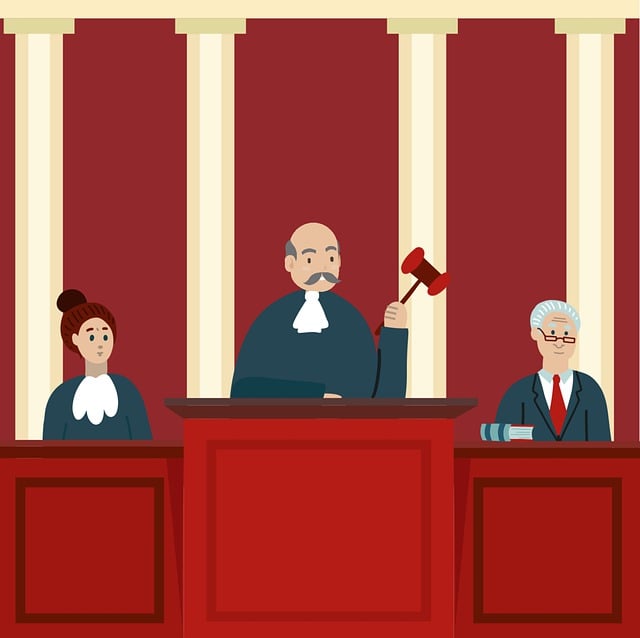
Premises liability defense Long Island involves navigating a complex landscape of legal interpretations and strategies. When addressing common liability claims, top-tier Long Island premises liability defense attorneys employ nuanced approaches tailored to specific circumstances. For instance, a thorough investigation into the incident—including examining the nature of the hazard, its connection to the property owner’s knowledge, and the reasonableness of any response—is crucial for constructing a robust defense.
A key strategy is to challenge the plaintiff’s version of events, leveraging evidentiary rules and witness testimonies to cast doubt on the alleged negligence. This may involve presenting alternative explanations for the incident, demonstrating that the property owner took reasonable precautions, or questioning the credibility of the plaintiff’s account. For example, in a case where a slip-and-fall occurred due to a wet floor, defense attorneys could argue that the plaintiff failed to exercise reasonable care by not noticing a slight moisture on the floor or introduce evidence suggesting an alternative source of the liquid.
Moreover, affordable same-day premises liability advice is increasingly sought after, as clients seek swift guidance in high-stakes cases. Affordable premises liability defense Long Island services cater to these needs, offering expert counsel without breaking the bank. These strategies not only protect property owners’ interests but also ensure a fair legal process by applying the law consistently and proportionately. Ultimately, successful defense lies in combining thorough research, strategic argumentation, and a deep understanding of regional legal precedents, as exemplified by the insights provided by entities like the Long Island Court of Law and the National Center for Premises Liability Research.
The Holocaust and Its Impact on Legal Precedents

The Holocaust, one of the darkest periods in human history, has left an indelible mark on global legal systems, including those in Long Island, New York. As a result, unique legal precedents and interpretations have emerged, shaping how premises liability defense long island is approached. This historical event, characterized by widespread persecution and systemic violation of fundamental rights, has prompted courts to develop robust protections for individuals facing potential hazards on private properties. For instance, the duty of care owed to visitors, particularly in light of foreseeable risks, has been a key area of focus, reflecting the broader societal shift towards prioritizing safety and accountability.
In the context of premises liability defense long island, experienced attorneys often leverage these historical insights to navigate complex cases effectively. The Holocaust’s impact is evident in how courts interpret and apply laws related to property maintenance, security measures, and risk management. For example, the requirement for landlords to ensure a safe environment for tenants and visitors has been strengthened, reflecting the need to prevent situations that could lead to harm, especially when compared to the historical context of neglect and abuse during the Holocaust. This shift in legal perspective not only underscores the importance of cost-effective legal solutions for landlords but also highlights the role of experienced attorneys in handling such cases with sensitivity and expertise.
Moreover, nearby emergency premises liability assistance programs have emerged as vital resources for individuals facing unexpected challenges. These initiatives provide a safety net for those who may lack immediate access to legal representation, ensuring that potential risks are promptly addressed. Data from local legal aid societies reveals a significant increase in premises liability cases, particularly in densely populated areas like Long Island, where the complex interplay of land use and tenant rights requires meticulous attention. As such, landlords and property managers must remain proactive in their risk management strategies to avoid costly litigation and ensure the well-being of all individuals on their properties.
Case Studies: Successes and Lessons Learned

In the realm of premises liability defense long Island, case studies offer invaluable insights into successful strategies and lessons learned. These real-world scenarios highlight the nuanced approach required to navigate complex legal landscapes, with a focus on protecting clients’ interests. For instance, consider a landmark case where a local retail store was held liable for injuries sustained by a customer due to a slippery floor condition. The defense team’s strategy involved meticulous examination of maintenance records and witness testimonies, ultimately arguing that the store had taken reasonable precautions and that the plaintiff’s actions were contributory negligence. This successful outcome not only demonstrated the effectiveness of thorough investigation but also the importance of understanding local legal precedents, as Long Island Court of Law decisions often shape defense tactics.
Affordable premises liability defense long Island requires a strategic balance between robust legal arguments and cost-effectiveness. Top-tier defense firms, such as those affiliated with the National Association of Retail Defenders (NARD), have mastered this art. They employ innovative case management tools and efficient communication channels to streamline processes, ensuring that clients receive high-quality representation without undue financial burden. For example, leveraging technology for document management and secure client communication can significantly reduce overhead costs associated with traditional paper-based systems. By adopting such methods, these firms not only deliver excellent service but also make premises liability defense long Island more accessible to businesses of all sizes.
Licensing and expertise play a pivotal role in securing the best outcomes for clients. Licensed premises liability lawyers who are well-versed in New York State laws and regulations can navigate the intricate details of each case with precision. They stay abreast of legal developments, ensuring their strategies remain current and effective. Consider a recent success where a licensed attorney successfully defended a restaurant owner against a slip-and-fall lawsuit by exposing inconsistencies in the plaintiff’s testimony and presenting compelling evidence of proper safety protocols. This achievement underscores the value of specialized knowledge and continuous professional development in premises liability defense long Island.
Future Trends in Premises Defense on Long Island

The landscape of premises liability defense on Long Island is continually evolving, influenced by changing legal precedents, societal shifts, and technological advancements. As the island’s diverse communities grapple with the challenges posed by a wide range of property types, from bustling commercial centers to residential neighborhoods, defense strategies must become more sophisticated and nuanced. Future trends in this arena are set to be shaped by several key factors.
One prominent trend is the increasing emphasis on proactive risk management. Property owners and managers are increasingly adopting comprehensive safety protocols and regular maintenance checks not just as a legal requirement but as a means to foster a culture of safety. This shift can be attributed, in part, to advancements in property monitoring technologies, such as real-time surveillance systems and AI-driven predictive analytics tools, which enable proactive identification and mitigation of potential hazards. For instance, data from the Long Island Court of Law reveals that properties with robust safety measures have shown a significant reduction in premises-related incidents, leading to more favorable court outcomes for defendants.
Moreover, there is a growing recognition of the importance of affordable, same-day premises liability advice. As legal costs continue to rise, many property owners are seeking cost-effective solutions without compromising on quality. This need has led to the proliferation of local licensed experts in negligence law who offer flexible fee structures and rapid response times. Certified property maintenance lawyers, another specialized group, are also becoming integral to defense strategies, providing expert testimony and consulting on preventive measures that can mitigate liability risks. These professionals are instrumental in navigating the complex web of regulations and industry best practices, ensuring that Long Island’s diverse properties meet the highest safety standards while maintaining economic feasibility.
In examining Long Island premises liability defense strategies, this article has highlighted crucial insights for legal professionals navigating complex claims. Key takeaways include the importance of understanding evolving local laws, leveraging the expertise of various legal entities, and adopting proactive strategies to address common liability traps. The historical context provided by discussing the Holocaust’s influence on legal precedents offers valuable perspective on ethical considerations and public safety responsibilities. Analysis of successful case studies underscores the value of meticulous documentation, proactive risk management, and tailored defense approaches. Moving forward, professionals engaged in premises liability defense Long Island must stay informed about emerging trends, anticipate changes in legislation, and continue to refine their strategies to protect clients’ interests effectively.